
Reggaeton takes over FIFA 2026 soundtracks, Nike revives Shox R4 with Rauw Alejandro, and Latin artists reshape global fashion collabs from Zara to Salomon and beyond
Reggaeton Weekly offers original, editorial-first reporting focused on one of the fastest-growing global music genres. The publication provides culturally grounded analysis of reggaeton and Latin urban music, combining journalism, historical context, and contemporary industry coverage.
All content is independently produced and written, with a consistent editorial schedule and a defined cultural niche that is underrepresented in mainstream music media. The publication contributes original reporting and commentary to the global music journalism landscape.
THE BIZZ of Perreo
Reggaeton artists are no longer operating on the edges of the mainstream—they are now headlining global arenas, selling out stadium tours across the U.S., Europe, and Latin America, and consistently occupying the biggest entertainment stages in the world. From late-night talk shows in the United States to major festival circuits and the wider cultural conversation around events like the Super Bowl halftime show, Latin urban artists have moved from being invited guests in global pop culture to becoming central drivers of it. What was once a regional sound is now shaping prime-time visibility, influencing touring economies, and anchoring the sound of global youth culture.
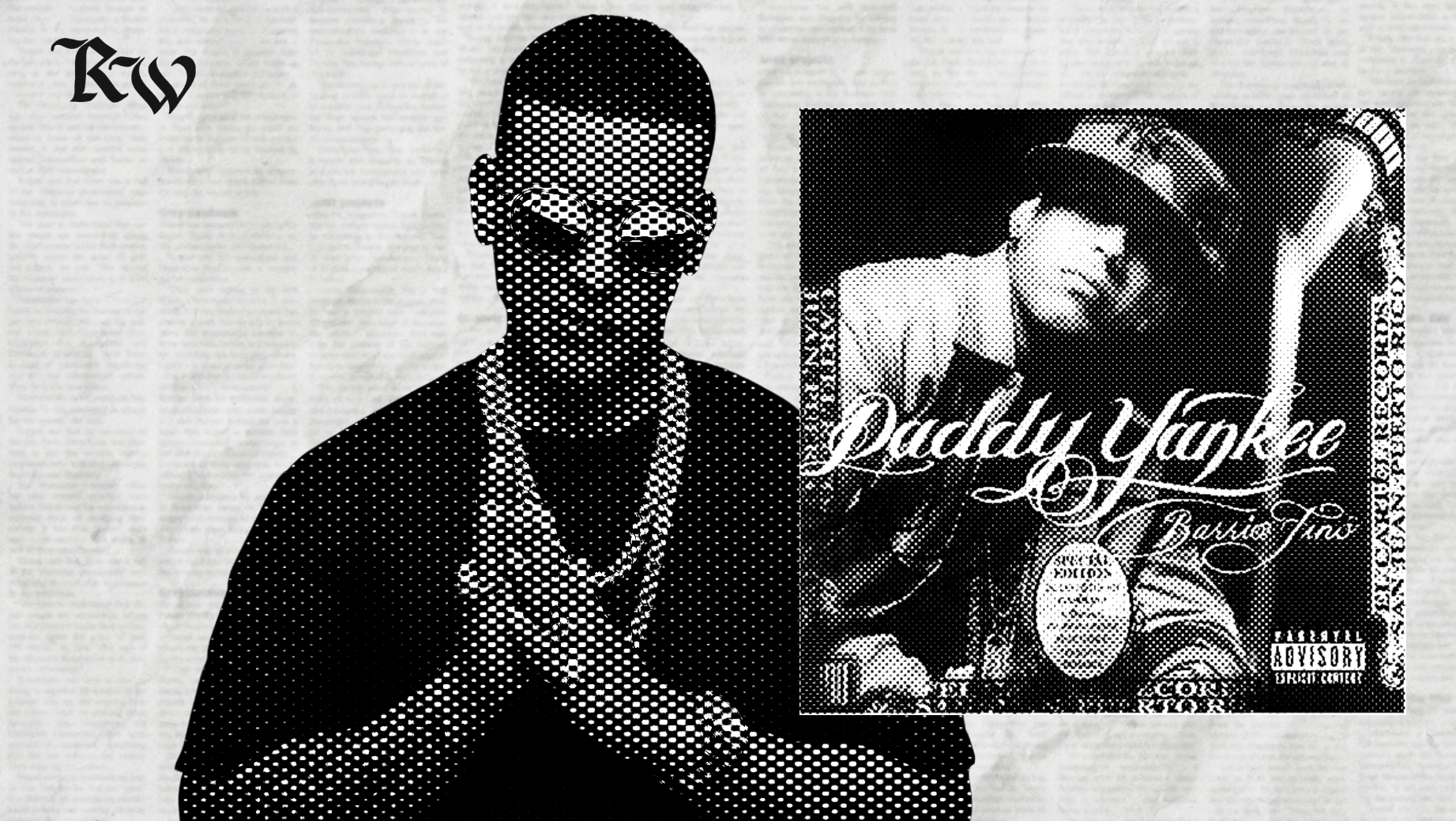
This evolution didn’t happen in isolation—it was built on the foundation of pioneers who treated reggaeton as both art and enterprise. Daddy Yankee remains one of its most defining architects, famously investing around $30,000 of his own money into Barrio Fino, a decision that helped prove reggaeton could be packaged, branded, and scaled at a mainstream commercial level. His legacy is uncontested, yet his more recent transition into religious music highlights something more complex about reggaeton’s creators: they are not static brands, but evolving identities. While some fans feel a sense of departure or distance from that shift, it also underscores a defining truth of the genre—reggaetoneros have always been capable of reinvention, reshaping themselves in alignment with personal conviction, even when it challenges audience expectations.
GLOBAL HEADLINES: #FIFA IS HERE
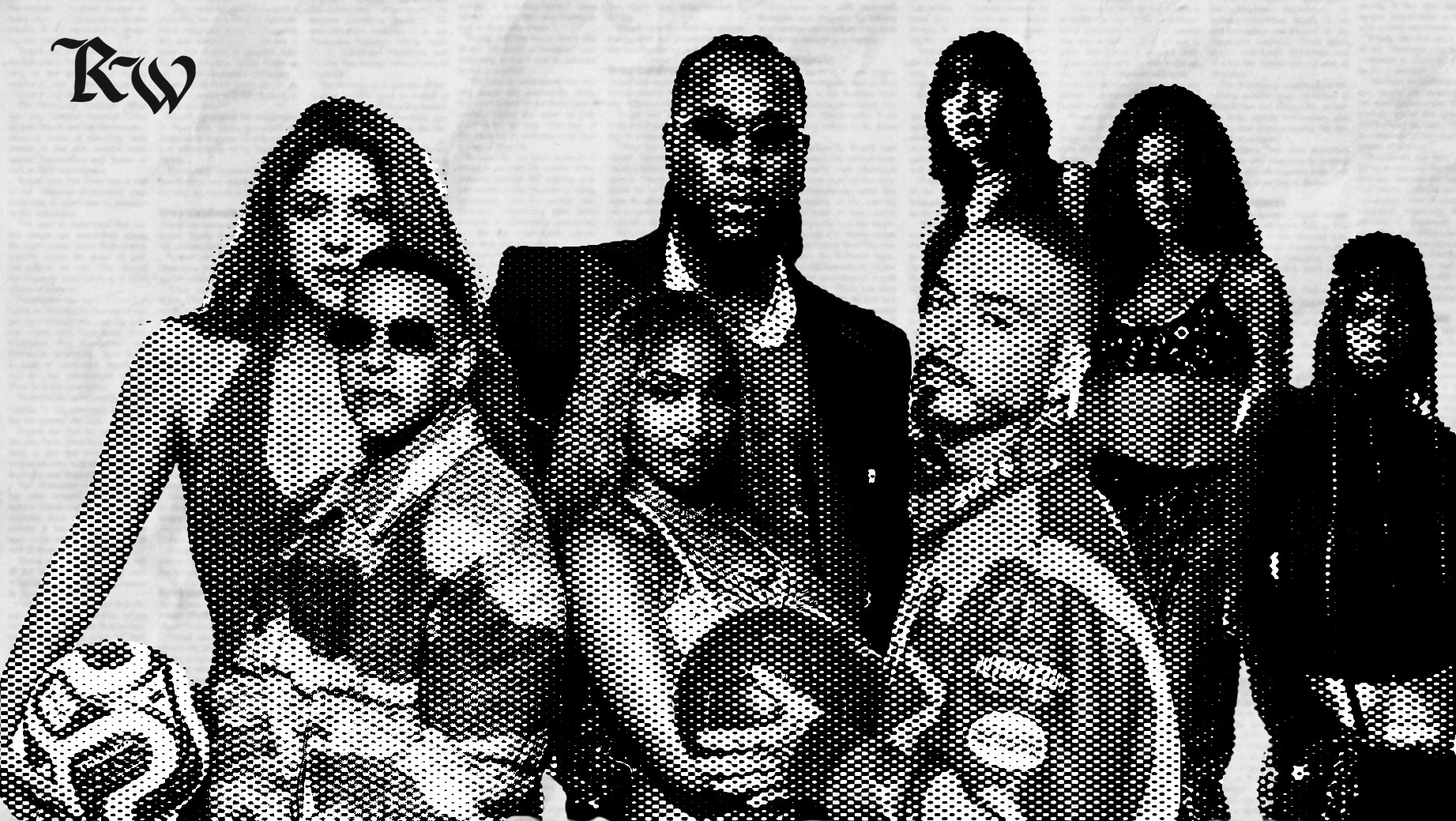
As the road to the FIFA World Cup 2026 continues, reggaeton, dancehall, Afrobeats, and Latin music are rapidly becoming part of the tournament’s global soundtrack. What began with J Balvin’s involvement in Coca-Cola’s official World Cup campaign anthem “JUMP” has expanded into a star-studded lineup featuring some of the most influential artists in contemporary music. From Shakira and Burna Boy’s official World Cup song “Dai Dai” to Anitta’s collaboration with LISA and Rema on “Goals,” FIFA is leaning heavily into the sounds shaping popular culture around the world.
The latest additions only reinforce that trend. Reggaeton pioneer Daddy Yankee has officially joined the growing roster of artists connected to World Cup 2026 initiatives, marking another milestone for a genre that has evolved from a regional movement into a global cultural force. Jamaican superstar Shenseea has also entered the fold, bringing dancehall representation to a musical ecosystem that increasingly reflects the diversity of today’s international audience.
More behind the #ReggaetonWeekly Paywall, Thanks for your support!
ALERTA PENDIENTE *
ALERTA PENDIENTE *
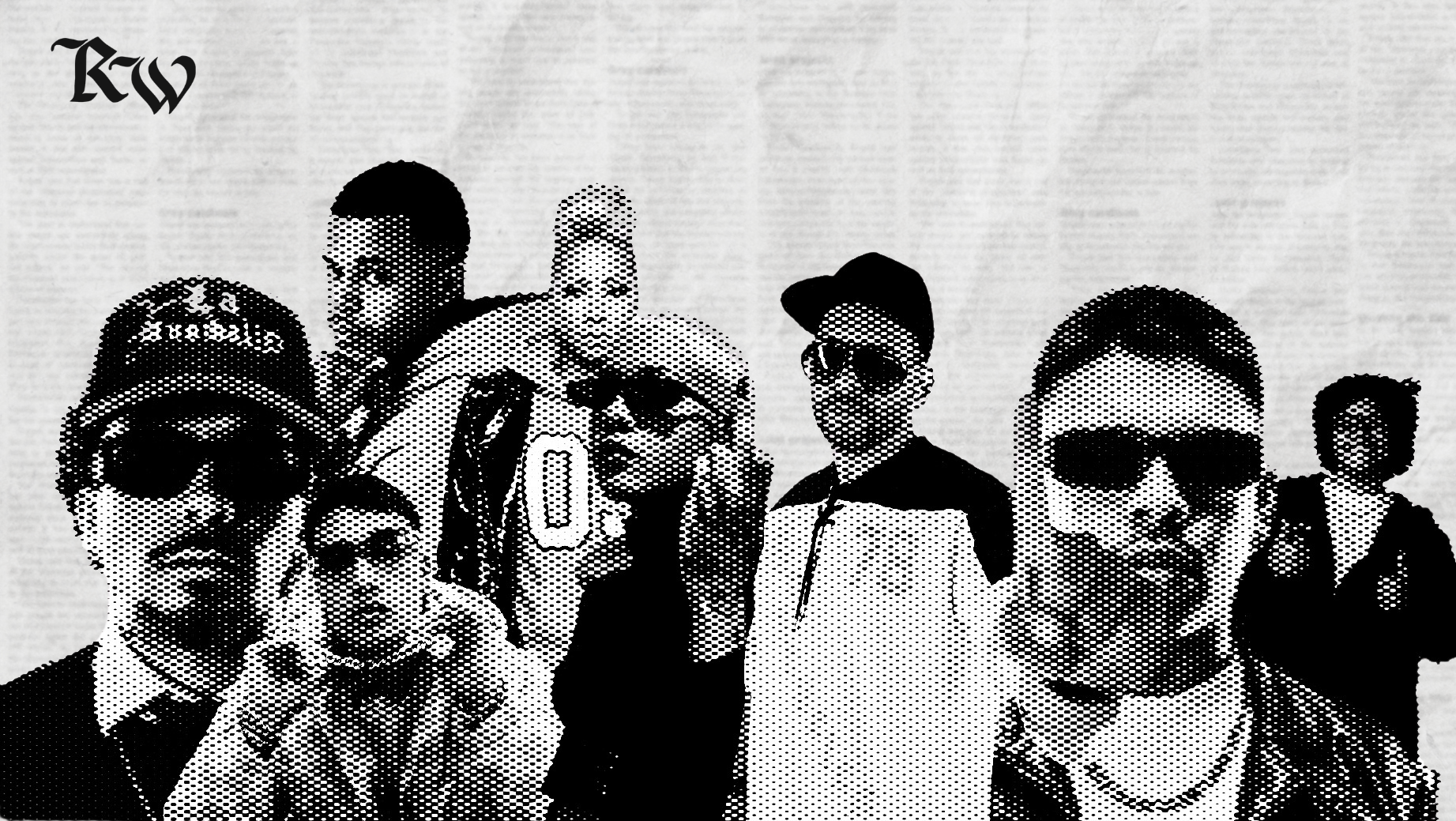
The latest and greatest songs según yo in my #AlertaPendiente series. Songs that passed #TheAuxTest with flying colors.
PERREO COUTURE
Few artists embody the connection between reggaeton and fashion quite like Rauw Alejandro. This week, the Puerto Rican superstar became the face of Nike’s latest campaign celebrating the return of the iconic Nike Shox R4, a sneaker silhouette deeply rooted in the visual identity of reggaeton’s early years. More than a product launch, the campaign serves as a reminder of how closely sneaker culture and música urbana have evolved together over the past two decades.
The partnership feels especially authentic given Rauw’s longstanding embrace of Y2K aesthetics. Throughout his career, the singer has referenced the fashion, dance, and cultural influences that shaped reggaeton’s formative era, making him a natural choice to reintroduce one of the most recognizable sneakers of the 2000s. The Shox R4 was once a fixture across Puerto Rico and Latin America, worn by artists and fans alike during the genre’s rise from underground movement to global phenomenon.
THAT’S ALL FOR ISSUE 002
How’d we do?
